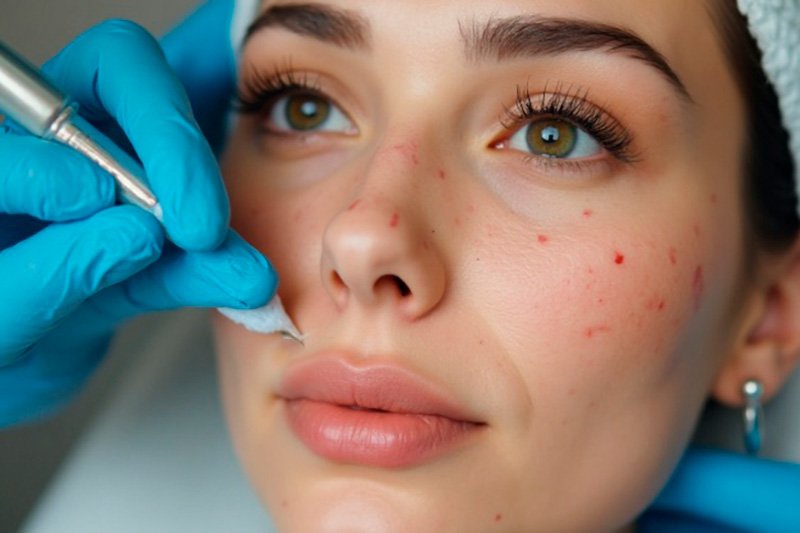
Acne is not just a teenage issue—it affects millions of adults around the world and often leaves physical and emotional scars. While over-the-counter creams and antibiotics may offer temporary relief, advanced dermatological treatments like laser therapy and medical-grade chemical peels provide longer-lasting, visible results by targeting the root causes of acne and post-acne marks.
For patients considering treatment abroad, combining laser and medical peel procedures offers a scientifically proven, minimally invasive solution with faster recovery, smoother skin, and significantly reduced breakouts—all in a safe, professional setting.
Why Acne Happens
Acne is caused by a combination of:
Excess sebum (oil) production
Clogged hair follicles
Bacterial growth
Hormonal fluctuations
Inflammation
Depending on severity, acne may range from blackheads and whiteheads to painful cysts or nodules. Even after active acne clears, post-inflammatory hyperpigmentation (PIH) and acne scars can remain—often requiring more than just topical creams to resolve.
Modern Dermatology: Combining Laser and Peels
Medical professionals today use a multi-modal approach for long-term acne management. Among the most effective tools are laser treatments and chemical peels, often performed together or in cycles to target different layers of the skin.
1. Laser Acne Treatment
Laser therapy uses focused light to reduce acne-causing bacteria, shrink oil glands, and stimulate collagen production. Depending on the skin type and severity of acne, dermatologists may use:
Fractional lasers (e.g., Fraxel, LaseMD): to resurface acne scars and improve texture
Pulsed Dye Lasers (PDL): to reduce inflammation and redness
Nd:YAG or Q-switched lasers: to target deeper scars and active breakouts
Blue light or IPL (Intense Pulsed Light): to kill Propionibacterium acnes bacteria
Benefits:
Minimal discomfort
No systemic side effects
Targets bacteria and inflammation simultaneously
Can also improve acne scars and pigmentation
2. Medical-Grade Chemical Peels
Medical peels use controlled acid-based exfoliation to remove the outer layers of the skin, clear blocked pores, and reduce oiliness and inflammation. Some of the most commonly used acids include:
Salicylic Acid: anti-inflammatory, excellent for oily/acne-prone skin
Glycolic Acid: improves texture and reduces pigmentation
Jessner’s Peel: a combination peel ideal for moderate acne and discoloration
TCA (Trichloroacetic Acid): for deeper acne scars and stubborn pigmentation
Benefits:
Brightens and smooths skin
Clears blackheads and comedones
Reduces acne recurrence
Can be combined with microneedling or lasers for enhanced effect
What to Expect During Treatment Abroad
When seeking acne treatment abroad, patients receive:
Personalized skin assessment by dermatologists
Access to certified devices (e.g., LaseMD, Fotona, Fraxel, Spectra)
Customized combination therapy: laser + peels + medical skincare
Affordable prices compared to Western clinics
Recovery-friendly environments (some clinics even offer hotel packages)
Sessions typically last 30–60 minutes, depending on the procedures. A series of 3–6 treatments may be recommended for best results, spaced every 2–4 weeks.

Post-Treatment and Recovery
After a session:
Mild redness, dryness, or flaking may occur for a few days
Sun protection is essential
Patients should avoid active skincare ingredients (like retinol) for a few days
Many notice clearer, smoother skin after the first 1–2 sessions, with continued improvement over time. When performed in combination, laser and peels accelerate skin renewal and reduce both active acne and long-term scarring.
Frequently Asked Questions (FAQ)
Q: Is laser treatment safe for all skin types?
A: Most modern lasers can be safely used on various skin tones. However, treatment settings and laser types must be carefully selected by experienced dermatologists, especially for darker skin tones.
Q: Do chemical peels hurt?
A: You may feel mild tingling, warmth, or a slight burning sensation during the peel. Deeper peels may be more intense but are usually well-tolerated. Your dermatologist will choose a peel strength suitable for your skin.
Q: How soon will I see results?
A: Most patients see improvements after 1–2 sessions, with optimal results appearing after a full course of treatments. Acne scars and pigmentation may take longer to fade but gradually improve over several months.
Q: Can I combine both treatments in one visit?
A: Yes! Many clinics safely combine mild laser sessions and peels in one visit, depending on your skin condition and treatment goals.
Q: Is there downtime?
A: Downtime varies. Light peels and non-ablative lasers have minimal downtime—redness or peeling for 1–3 days. Deeper treatments may require up to a week of healing.
Q: Are results permanent?
A: While results can be long-lasting, acne can return due to hormonal or environmental factors. Maintenance treatments and medical skincare help preserve clear skin.
Q: How much does it cost abroad?
A: Medical tourism packages for acne treatment (laser + peels) are often 50–70% more affordable than in the U.S. or Europe, with the same or higher level of technology and expertise.
Final Thoughts
For those who struggle with acne, scars, and post-acne discoloration, combining laser treatments and medical peels offers a science-backed, non-invasive path to clearer skin. Whether you want to treat persistent breakouts or erase the scars left behind, this combination is one of the most effective options available.
Through medical tourism, patients gain access to world-class skin care technologies, personalized treatment plans, and affordable prices—all while enjoying the healing atmosphere of top destinations.
Say goodbye to stubborn acne—and hello to confident, glowing skin.